
Capital Intentions™
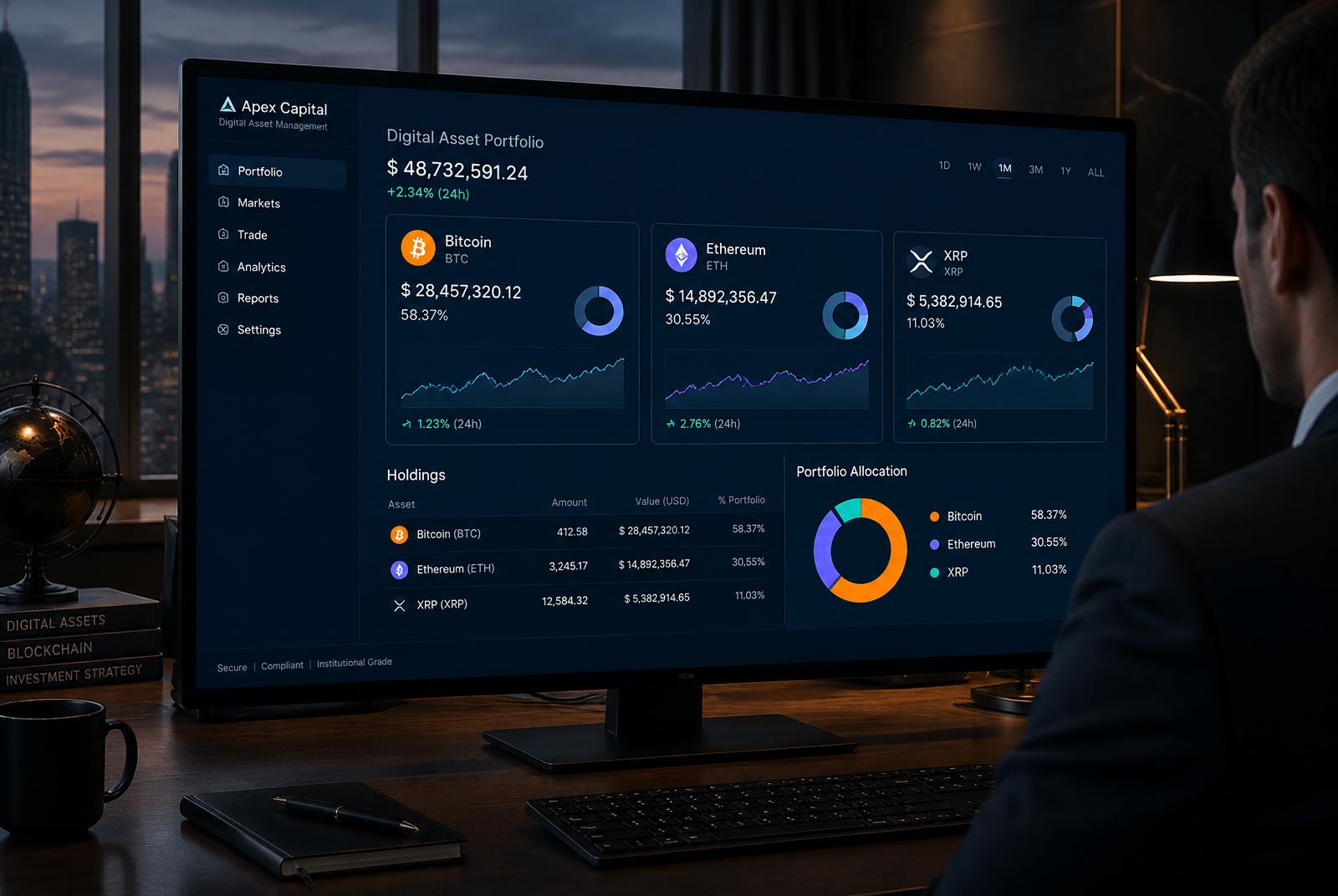
Digital asset portfolio dashboard

Insights

Perspectives on digital securities and capital raising.

Editorial perspectives on the commercial questions behind digital finance. Market developments matter most when connected to your business.

Tokenized Asset Owners

Tokenization Is Not Liquidity

Why an on-chain asset still needs economic rights, qualified investors, and eligible markets before it can deliver capital to its owner.

Many asset owners have completed tokenization expecting liquidity to follow. Tokenization alone does not create buyers or establish a market. A token may represent ownership or other rights; its legal effect depends on the underlying arrangement.

Liquidity depends on what rights the token represents, whether those rights are documented and enforceable, who may lawfully acquire them, and whether any eligible secondary venue exists for that security.

The commercial opportunity is to understand what a developing financial market may mean for an existing tokenized asset. Company-specific advice is more useful than assuming that every tokenized asset has the same opportunities.

Blockchain & Crypto Operating Companies

Your Token Is Not Your Cap Table

Separating utility tokens from corporate securities when an on-chain business needs operating capital.

Some blockchain businesses have native tokens; others do not. On-chain operating experience is a useful starting point for evaluating corporate growth financing. Corporate financing may involve equity, preferred shares, membership interests, or debt. A utility token does not by itself establish an ownership interest in the company.

The operating company and the native token can have distinct financial needs. Financing the business deserves a separate professional conversation.

A Security Token Offering (STO), tokenized equity, or digital shares may be considered where suitable. The instrument and eligible investor pathway must be evaluated on their own merits.

Investor Distribution

Digital Issuance Does Not Deliver Investors

Investor distribution—audience, positioning, marketing, and onboarding—is a distinct part of a capital-raising plan.

Digital infrastructure may support securities subscriptions and administration; it does not itself provide investor distribution or assure participation.

Private-market investor interest does not automatically translate into demand for a particular issuer. Established investment channels and emerging digital distribution can serve different audiences.

Appropriate professional preparation matters before a company pursues additional investor access.

Private Growth Companies

Your Next Raise. A Broader Investor Audience.

Growth financing starts with an investable company and a pathway to appropriate eligible investors.

Existing offering documentation can provide a starting point for evaluating additional eligible investor access. On-chain capital formation does not replace securities requirements or create demand for a particular issuer.

Digital subscriptions, ownership records, and reporting may support a more connected process across initial and repeat raises. Distribution remains a separate commercial and regulatory consideration.

Digital ownership may also enable potential future transfers while a company remains private. Eligibility, transfer restrictions, market availability, and actual buyers determine whether liquidity is possible.

Private Growth Companies

Why Private Growth Companies Are Exploring On-Chain Capital Formation

Products, talent, and infrastructure create recurring capital decisions.

Enterprise software, AI, financial technology, cybersecurity, healthcare innovation, and advanced industrial systems require capital for products, talent, computing capacity, market expansion, and acquisitions.

On-chain capital formation may connect appropriate securities issuance with additional eligible investor access and continuing ownership administration. The opportunity is company-specific, not a claim that technology businesses automatically attract investors.

An independent, document-based assessment helps put these possibilities in context before a company commits to its next financing strategy.

Entrepreneurs, Founders & Early-Stage Companies

Experience Before the Capital Conversation

An existing business proposition deserves preparation appropriate to its stage.

Industry knowledge, intellectual property, and initial assets can provide a starting point. Clarifying what exists and the company's objective precedes a financing decision.

Preparation may require an individually scoped engagement before standard document-based DSDR™ advisory. It does not imply automatic qualification or guaranteed funding.

Apply these questions to your own structure.

The $599 On-Chain Financing Assessment turns these perspectives into a preliminary view specific to your company.